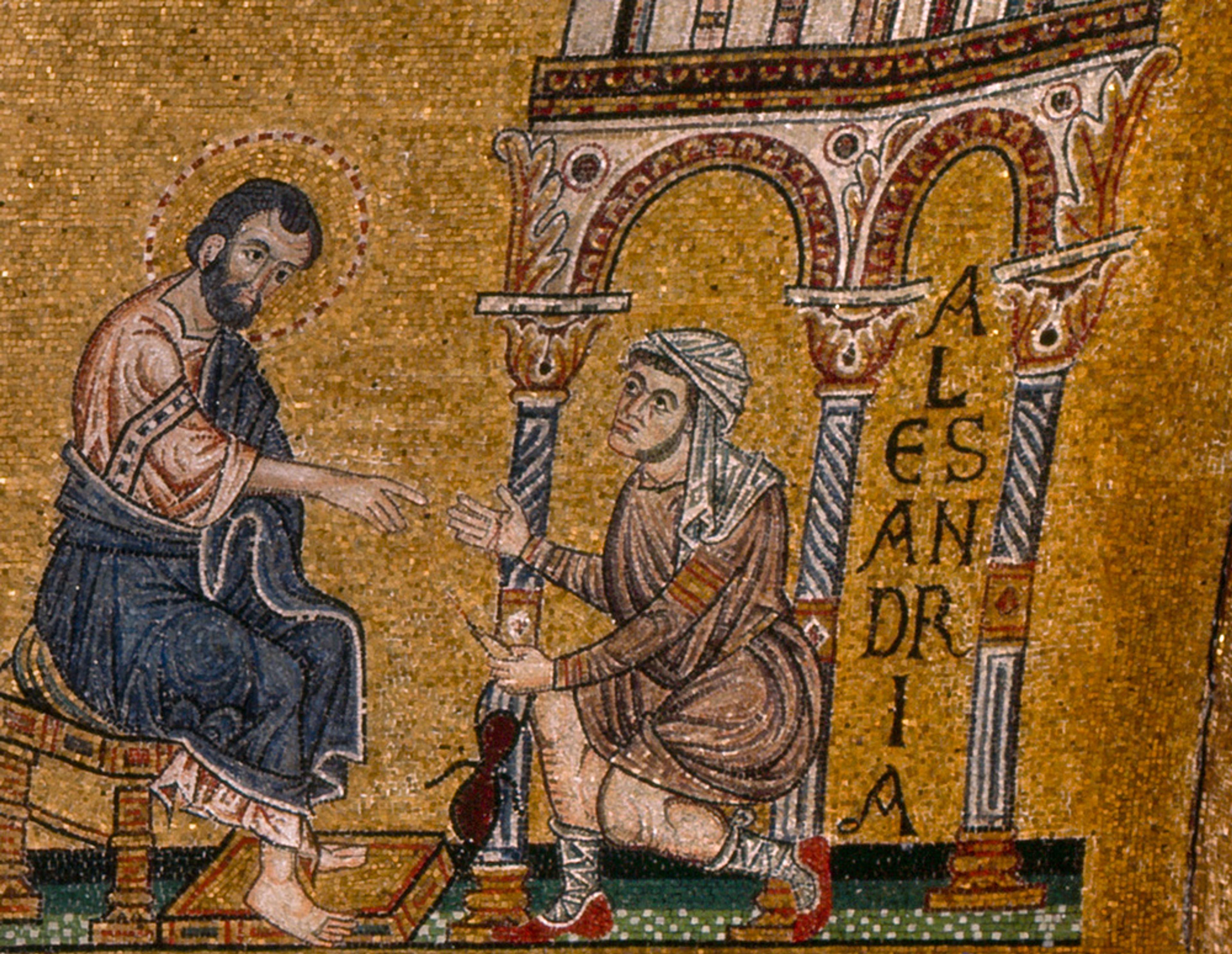
The human body in medieval art does not simply exist—it performs. It kneels, ascends, bleeds, and radiates light, but rarely appears naturalistic in the modern sense. Every limb, gesture, and proportion was calibrated not for realism, but for meaning. In the hands of medieval artists, the body became a canvas where theology and politics converged—where sainthood was signaled by elongated fingers, divine authority by rigid postures, and social hierarchy by placement within a composition. This was not art for art’s sake. It was art as doctrine, as governance, as divine theater.
To understand this fusion, we must see beyond aesthetics. The body in medieval imagery served as both a vessel of salvation and a tool of control. Whether in cathedral frescoes, illuminated manuscripts, or sculpted tympana, physical form was never neutral. It was coded, disciplined, elevated—or deliberately broken—to communicate spiritual truths and reinforce power structures.
The Theological Body: Flesh as Divine Architecture
In early and high medieval Europe, theology dictated how the body should be seen, shaped, and sanctified. Drawing from Augustinian doctrine and Neoplatonic thought, the Church taught that the physical world was a shadow of divine reality. The body, tainted by original sin, needed redemption. But paradoxically, it was also the site where God entered history—through the Incarnation of Christ.
This duality shaped artistic representation. Christ’s body, especially in depictions of the Crucifixion or the Man of Sorrows, bore wounds not to horrify, but to testify. His drooping head, open side, and pierced hands were visual sermons on sacrifice and grace. In the 12th-century Maiestas Domini images, Christ sits enthroned within a mandorla, his body symmetrical and luminous—less a man than a theophany, a manifestation of God in flesh.
Similarly, saints’ bodies were stylized to reflect inner holiness. Their elongated limbs and serene faces signaled detachment from worldly concerns. In Byzantine icons, eyes are large and front-facing, drawing the viewer into a spiritual gaze. Physical realism was secondary to spiritual presence. The body, in this context, was not a biological fact but a theological proposition.
“The image of Christ is not painted—it is written,” goes the Eastern Orthodox tradition. The body is scripture made visible.
The Political Body: Hierarchy Embodied in Stone and Paint
While theology shaped the spiritual meaning of the body, politics determined its placement, scale, and gaze. Medieval art rarely depicted individuals as isolated beings. They existed within hierarchies—ecclesiastical, royal, celestial—that were visually enforced through composition.
Consider the Last Judgment tympanum at the Cathedral of Saint-Lazare in Autun. At the center, Christ presides in judgment, his body upright and commanding. To his right, the blessed rise gracefully; to his left, the damned are dragged into hell by grotesque demons. The bodies of the saved are orderly, clothed, and serene. The damned are twisted, naked, and contorted—a visual metaphor for moral degradation.
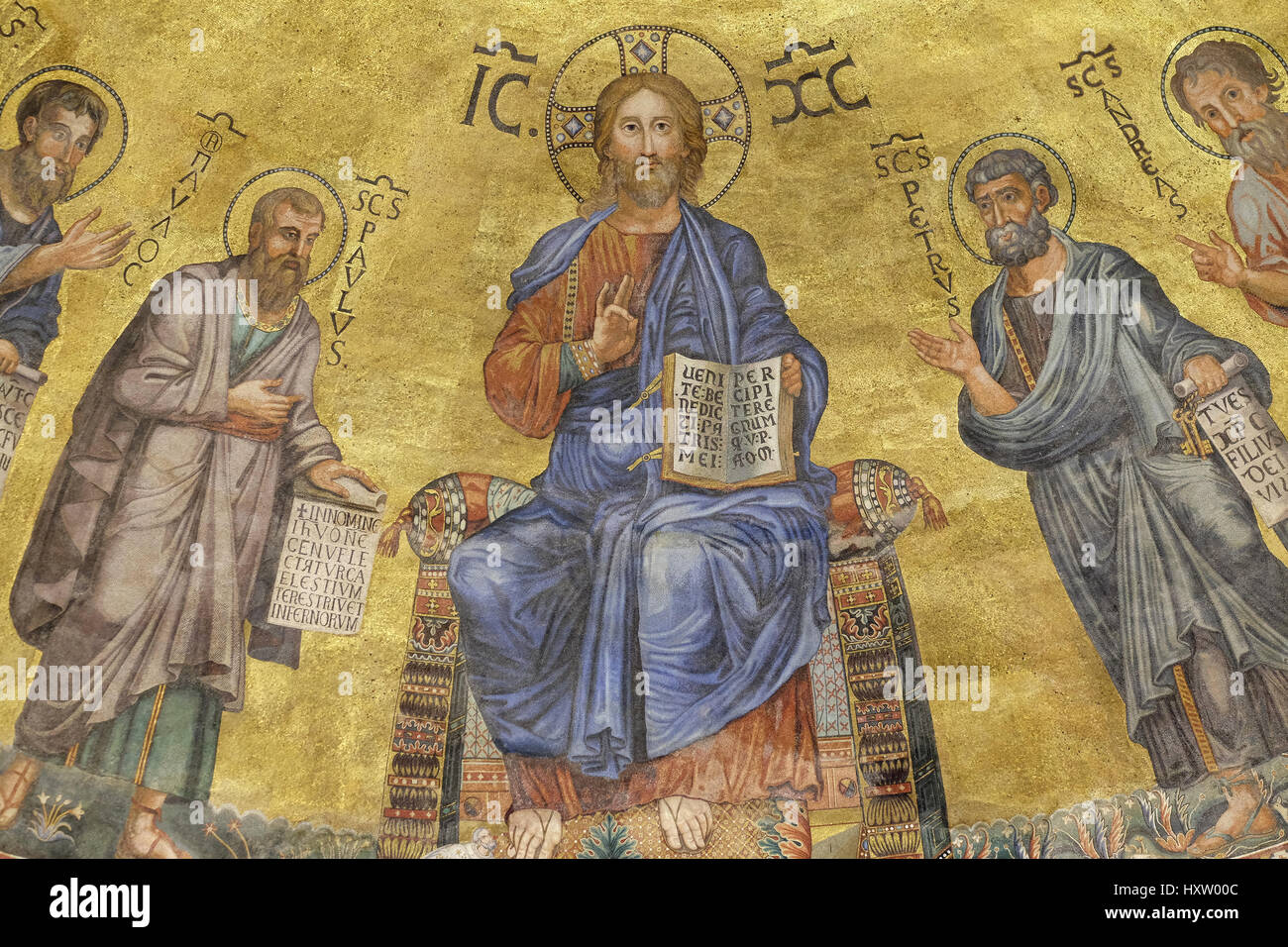
Now look at royal imagery. In the Coronation of Charlemagne from the Chronograph of 354, the emperor is shown larger than attendants, elevated on a platform, his body rigid and frontal. He is not acting—he is being: a living symbol of divine right. His body, like Christ’s, occupies space with authority. This wasn’t accidental. Proportional dominance (hierarchical scaling) was a deliberate device to show spiritual or political superiority.
Even in manuscripts, the body reflected status. In the Utrecht Psalter, the psalmist David is often depicted larger than his courtiers. In the Très Riches Heures du Duc de Berry, the duke kneels in prayer before an altar—but he is placed just below the Virgin and Child, visually inching him closer to the divine. The body here is not just present; it negotiates power.
Gender, Purity, and the Contained Body
If male bodies were icons of authority, female bodies in medieval art were often symbols of either sanctity or danger. The Virgin Mary was the ideal—modest, veiled, seated with hands clasped. Her body, especially in Theotokos images, is concealed under voluminous robes, her holiness tied to purity and motherhood.
In contrast, women like Mary Magdalene were depicted with loose hair and exposed shoulders—markers of former sinfulness, even as they were redeemed. Her body tells a story of transformation, but also of control. Her penitence is performed through physical asceticism: kneeling, fasting, gazing upward in sorrow.
Nuns and female mystics had their bodies policed in life and memorialized in art. Hildegard of Bingen, though a visionary, was painted with hands folded and eyes downcast. Her intellectual and spiritual authority was acknowledged—but her body remained contained, composed.
This gendered coding extended to political narratives. Queens were shown supporting kings, not ruling alone. In depictions of the Coronation of the Virgin, even Mary is crowned by Christ or God the Father—her exaltation granted, not claimed.
Disability, Suffering, and the Body as Testimony
The medieval body was not only hierarchical—it was diagnostic. Physical difference often carried symbolic weight. Lepers, the blind, the crippled appeared frequently in religious art, not as individuals, but as signs.
Christ healing the blind man at Siloam wasn’t just a miracle; it was a theological statement about spiritual sight. The bent body of the woman healed after eighteen years of infirmity (Luke 13:10–17) was straightened not just for health, but as a sign of liberation from sin and Satan.
But this symbolism had limits. While healing narratives affirmed divine power, they also implied that disability was a mark of imperfection—something to be overcome, not accepted. In hagiographies, saints often cured the sick not to affirm diversity, but to demonstrate holiness.
Yet some disabled bodies were venerated. Saint Vitus, patron of dancers and those with neurological disorders, was invoked for chorea—his own suffering transformed into intercessory power. Here, the broken body becomes sacred not despite its condition, but because it participates in redemptive suffering.
The Monastic Body: Discipline as Devotion
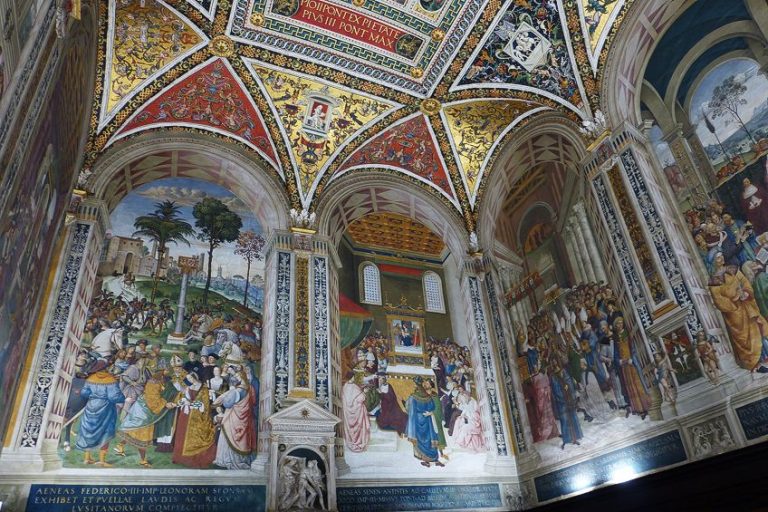
Beyond public art, the body was reshaped in private spiritual practice. Monastic rules—Benedictine, Cistercian, Carthusian—governed posture, movement, and even breathing. The body was to be trained, not indulged.
This ascetic ideal found visual form. In images of Saint Anthony in the desert, his emaciated body is wrapped in rags, surrounded by demons who attack not his soul, but his flesh. His physical frailty is proof of spiritual strength.
Similarly, flagellant imagery from the 13th and 14th centuries shows robed figures scourging their own backs. These were not marginal acts—they were public performances of penance, often supported by Church authorities during times of plague or crisis. The body, whipped and bleeding, became a site of collective atonement.
Monastic manuscripts often depict scribes with hunched backs and ink-stained fingers. Their labor was spiritual. Copying scripture wasn’t mechanical—it was an embodied act of worship. The body, in service to the Word, became a living altar.
The Corporeal Turn: When the Body Began to Change
By the 12th and 13th centuries, a subtle shift began. Gothic cathedrals introduced more naturalistic sculpture. Figures at Chartres or Reims stand with weight shift (contrapposto), drapery that suggests movement, faces with individualized features.
This wasn’t secularization—it was a new way of sacralizing the body. The Incarnation gained emphasis: if God became man, then the human form deserved greater dignity. The Swoon of the Virgin at the Crucifixion, once rare, became common—showing Mary fainting, physically overwhelmed by grief. Emotion, and the body’s response to it, was now part of sacred narrative.
Yet politics still shaped these forms. Even as bodies gained realism, hierarchy persisted. Kings were still larger. Saints still glowed with halos. The body could now move, but it still had to mean.
Why This Matters Today
We often assume that the fusion of religion and politics in art belongs to the past. But medieval art reminds us that bodies in imagery are never neutral. Today’s memes, advertisements, and political portraits still use posture, proportion, and gaze to signal authority, virtue, or threat.
The medieval artist didn’t ask, “How do people look?” but “What should this body do?” That question still echoes. When we see a leader framed in gold, a protester’s raised fist, or a saint’s stigmata, we’re witnessing the legacy of an age that turned flesh into doctrine and form into power.
Understanding how medieval art made the body a site of theology and politics isn’t just about history—it’s about learning to read the visual language of control and sanctity that still surrounds us.
Actionable Insight Next time you view religious or political imagery—from a presidential portrait to a church mural—ask: - Who is centered? - Who is larger, smaller, elevated, or hidden? - How are gestures, clothing, and posture used to convey meaning? - What spiritual or political message does the body perform?
You’ll start seeing the medieval mind still at work—in pixels, paint, and power.
FAQ
What should you look for in How Medieval Art Made the Body a Sacred Political Statement? Focus on relevance, practical value, and how well the solution matches real user intent.
Is How Medieval Art Made the Body a Sacred Political Statement suitable for beginners? That depends on the workflow, but a clear step-by-step approach usually makes it easier to start.
How do you compare options around How Medieval Art Made the Body a Sacred Political Statement? Compare features, trust signals, limitations, pricing, and ease of implementation.
What mistakes should you avoid? Avoid generic choices, weak validation, and decisions based only on marketing claims.
What is the next best step? Shortlist the most relevant options, validate them quickly, and refine from real-world results.