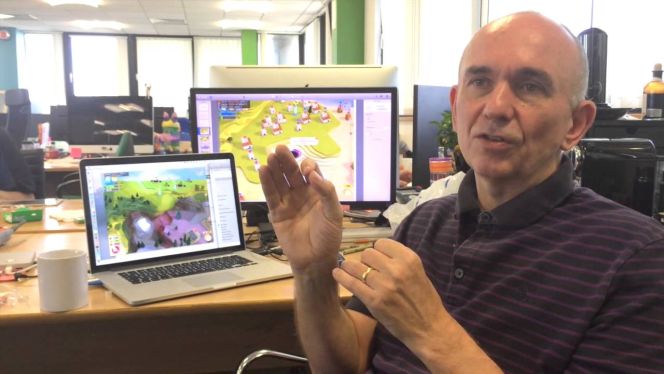
Peter Molyneux’s name once carried gold-plated credibility in gaming. The visionary behind Populous, Black & White, and Fable wasn’t just a designer—he was a prophet of interactive storytelling. But somewhere between Lionhead Studios’ heyday and the rise of crowdfunding, that reputation began to fray. What followed was a trail of overhyped promises, vaporware, and financial casualties. This is not just the story of failed games. It’s about the real people—investors, developers, and backers—who lost big on the legacy of a man who promised too much.
The Rise and Fall of a Game God
Molyneux wasn’t always synonymous with disappointment. In the 1990s and early 2000s, he was hailed as a genius. Populous redefined god games. Black & White introduced AI-driven creatures that learned from player behavior—an innovation ahead of its time. When Microsoft acquired Lionhead Studios in 2006, it seemed like validation: Molyneux was at the top of his game.
But cracks appeared. Fable II (2008) and Fable III (2010) drew criticism for shallow storytelling and broken promises—like the claim that player choices would reshape entire generations. Reviewers and fans alike noticed a pattern: ambition outpaced execution.
Then came 2012. Molyneux left Lionhead, freed from corporate oversight, and turned to Kickstarter. That’s when the real financial fallout began.
Curiosity: What’s Inside the Cube? The $100,000 Gamble That Backfired
In 2012, Molyneux launched Curiosity – What’s Inside the Cube?, a mobile experiment where users tapped away at a digital cube, layer by layer. The final tap would reveal a secret—and the tapper would win a prize. Molyneux claimed it would be “life-changing.” He later confirmed the winner would help shape his next game, Godus.
Over 500,000 players participated. Millions of taps. The final layer was cracked in December 2012 by a 22-year-old Welsh student, Bryan Henderson. His prize? The chance to Skype with Molyneux and contribute ideas to Godus.
But here’s where trust started to erode.
Henderson never received meaningful input. The “life-changing” opportunity evaporated. Worse, Molyneux used Curiosity as a data-gathering tool and a marketing funnel—raising awareness and collecting emails for Godus, which would soon launch on Kickstarter.
Thousands of players who invested hours (and in some cases, real money to speed up tapping via in-app purchases) felt misled. They hadn’t just been players; they’d been unpaid labor for a future product that never delivered.
Godus: The Kickstarter That Raised £500,000—And Left Backers Empty-Handed
Godus launched on Kickstarter in 2013 with a £400,000 goal. It promised a spiritual successor to Populous, with evolution, deity powers, and persistent worlds. Molyneux called it “the most important game I’ve ever made.”
It raised over £500,000 from more than 16,000 backers.
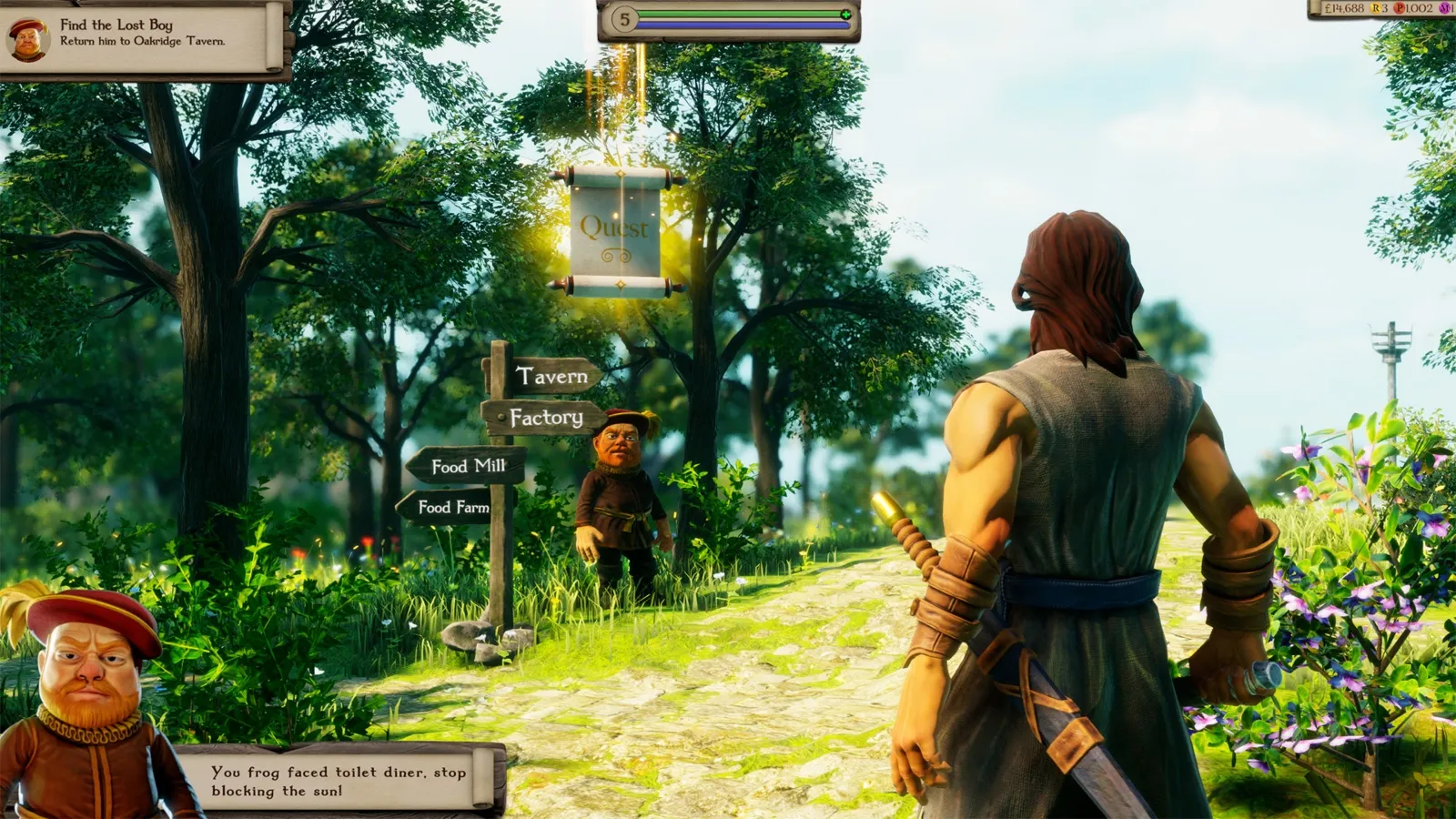
What they got was a stripped-down, buggy prototype that barely resembled the demo. Updates slowed. Promised features—multiplayer, world persistence, touch-based god powers—were delayed or abandoned. By 2017, Molyneux admitted defeat: Godus would no longer receive major updates.
Backers lost more than money. They lost faith.
Among them were small investors who treated the campaign like a micro-VC play. One backer, a London-based tech entrepreneur, pledged £1,000 for a “Producer” tier, expecting early access, design input, and a credit in the game. He received none.
“I thought I was investing in a visionary,” he said in a 2018 interview. “Turns out I was funding a midlife crisis.”
The Human Cost: Developers Who Burned Out Building Broken Dreams
The losses weren’t just financial—they were human. 22cans, Molyneux’s studio behind Godus, employed a small team of passionate developers. Many joined believing in the vision. But as deadlines slipped and morale collapsed, burnout set in.
Former employees described a culture of overpromising. According to one developer who left in 2015, “Peter would announce features in interviews before we’d even prototyped them. Then we’d have to scramble to make something, anything, that looked like it.”
The pressure was relentless. One team member worked 80-hour weeks for months trying to deliver the promised “evolution” system—where civilizations would grow and adapt over time. The feature never shipped.
By 2016, half the team had left. Salaries were delayed. The studio pivoted to Legacy, a mobile idle game that repackaged Godus assets. It failed to gain traction.
For these developers, the loss wasn’t just in paychecks. It was in wasted talent, lost time, and damaged reputations. Some struggled to find work afterward, tainted by association with a failed flagship title.
The Backer Backlash: When Community Trust Turns to Resentment
Crowdfunding relies on trust. Molyneux’s reputation gave Godus a massive head start. But as progress stalled, backers grew vocal.
On the Kickstarter comments, updates turned from excitement to frustration:
“This feels less like development and more like performance art.”
“We funded a god game. We got a screensaver with a progress bar.”
“How much of our money went into salaries vs. actual coding?”
Molyneux responded defensively, sometimes disappearing for months. When he did update, it was often with vague promises or philosophical musings about game design—never concrete roadmaps.
In 2014, he made a controversial statement: “I have fallen out of love with game development.” Coming from the founder of a studio backed by thousands, it was a gut punch.
The community fractured. Some defended him as a misunderstood artist. Most felt betrayed.
The Ripple Effect: How Molyneux’s Legacy Damaged Indie Trust
Godus wasn’t just a failure—it became a cautionary tale. After its collapse, other indie developers reported a chilling effect on Kickstarter campaigns.
A 2015 survey by TIGSource found that 63% of backers were more skeptical of “visionary” pitches post-Godus. The term “Molydeux”—a portmanteau of Molyneux and “déjà vu”—entered the gaming lexicon, used to describe any developer who overhypes a project.
The damage was real. One indie team scrapped their Kickstarter after a publisher warned them: “You’re pitching a god game. That’s a hard sell after what happened with 22cans.”
Molyneux’s fall didn’t just cost him credibility—it made it harder for honest developers to raise funds. The shadow of broken promises stretched far beyond one studio.
Lessons from the Wreckage: What the Industry Learned
The Godus debacle offers hard lessons for creators and backers alike.
For developers: - Never announce features before they’re locked. - Under-promise and over-deliver. - Treat crowdfunding backers as partners, not ATMs.
For investors and backers: - Vet the team’s track record, not just the name. - Demand transparency: roadmaps, dev logs, milestone demos. - Be wary of “vision” without executable plans.
One studio that applied these lessons was Owlchemy Labs (Job Simulator). They launched their Kickstarter with a working prototype, clear scope, and weekly updates. They delivered on time. They built trust.
Contrast that with 22cans, where vision outpaced viability at every turn.
Where Are They Now? The Aftermath
Peter Molyneux remains in game development. 22cans released Legacy and experimented with AI-driven narrative tools. But he’s no longer a headline act. His appearances at conferences draw polite applause, not standing ovations.
Bryan Henderson, the Curiosity winner, became a Wikipedia editor—and famously removed the “plank of wood” from thousands of articles. He’s since distanced himself from Molyneux.
The Godus backers? Most moved on. Some still have the alpha build installed—a digital tombstone to misplaced optimism.
Lionhead Studios was shuttered by Microsoft in 2016. The Fable IP has since been rebooted by Playground Games—without Molyneux involved.
A Legacy Measured in Broken Trust
Peter Molyneux’s legacy isn’t defined by Populous or Fable. For a generation of players and developers, it’s defined by what came after: the promises that crumbled, the money that vanished, and the trust that wasn’t earned back.
The players who lost big weren’t just funding a game. They were betting on a dream—one sold with charisma, passion, and a track record that no longer held weight. In the end, ambition without accountability is just noise.
If there’s a takeaway, it’s this: in the age of crowdfunding and influencer-driven launches, scrutinize the substance behind the hype. Because behind every grand vision, there are real people—developers, investors, fans—who pay the price when dreams don’t ship.
Stay skeptical. Demand proof. And remember: the most dangerous word in gaming isn’t “beta.” It’s “soon.”
FAQ
What should you look for in The Players Who Lost Big on Peter Molyneux’s Broken Promises? Focus on relevance, practical value, and how well the solution matches real user intent.
Is The Players Who Lost Big on Peter Molyneux’s Broken Promises suitable for beginners? That depends on the workflow, but a clear step-by-step approach usually makes it easier to start.
How do you compare options around The Players Who Lost Big on Peter Molyneux’s Broken Promises? Compare features, trust signals, limitations, pricing, and ease of implementation.
What mistakes should you avoid? Avoid generic choices, weak validation, and decisions based only on marketing claims.
What is the next best step? Shortlist the most relevant options, validate them quickly, and refine from real-world results.